

Hey there! As a PDR tools supplier, I’m stoked to share some tips on how you can get the most out of PDR tools. Whether you’re a professional auto body repair technician or a DIY enthusiast, these tools can be a game-changer when it comes to fixing dents without the need for expensive paint jobs.
First off, let’s talk about what PDR tools are. Paintless Dent Repair (PDR) tools are designed to remove dents from vehicles without damaging the paint. They work by using specialized techniques to gently push or pull the dented area back into its original shape. This method is not only cost-effective but also environmentally friendly since it doesn’t involve using harmful chemicals or repainting the entire panel.
One of the most important things to keep in mind when using PDR tools is to choose the right tool for the job. There are a variety of PDR tools available on the market, each designed for different types of dents and panel shapes. For example, if you’re dealing with a small, shallow dent, you might want to use a PDR Tools New Hooks Push Rods Hammer Tap Down. These tools are great for accessing hard-to-reach areas and can be used to push the dent out from the backside of the panel.
On the other hand, if you’re dealing with a larger, deeper dent, you might need to use a more heavy-duty tool like the Super PDR Car Dent Removal Hand Auto Body Repair Tool Set. This set includes a variety of tools such as hooks, rods, and hammers that can be used to pull or push the dent out. It’s important to note that these tools require a bit more skill and experience to use effectively, so it’s a good idea to practice on a scrap panel before attempting to repair a real vehicle.
Another important factor to consider when using PDR tools is the surface of the panel. Different types of panels require different techniques and tools. For example, aluminum panels are more delicate and require a gentler touch than steel panels. It’s also important to make sure the panel is clean and free of any debris or dirt before attempting to repair the dent. This will help ensure that the tool can make proper contact with the panel and that the repair is successful.
In addition to choosing the right tool and considering the surface of the panel, it’s also important to use the right technique when using PDR tools. One of the most common techniques is the “push” method, where you use a tool to push the dent out from the backside of the panel. This method is great for small, shallow dents and can be done using a variety of tools such as hooks, rods, and hammers.
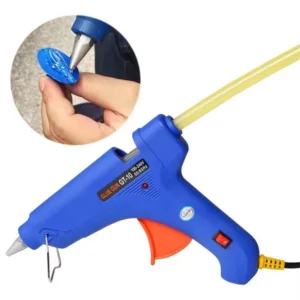
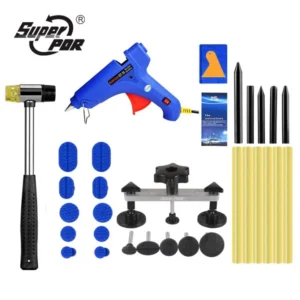
Another technique is the “pull” method, where you use a tool to pull the dent out from the front side of the panel. This method is great for larger, deeper dents and can be done using a variety of tools such as glue guns, suction cups, and pulling tabs. It’s important to note that the pull method requires a bit more skill and experience to use effectively, so it’s a good idea to practice on a scrap panel before attempting to repair a real vehicle.
Finally, it’s important to take your time and be patient when using PDR tools. Repairing a dent can be a time-consuming process, especially if you’re dealing with a large or deep dent. It’s important to take your time and make sure you’re using the right tool and technique for the job. Rushing the process can lead to mistakes and can actually make the dent worse.
In conclusion, getting the most out of PDR tools requires choosing the right tool for the job, considering the surface of the panel, using the right technique, and taking your time. By following these tips, you can ensure that your PDR repairs are successful and that your vehicle looks as good as new.
If you’re interested in purchasing PDR tools or have any questions about how to use them, please don’t hesitate to contact us. We’re here to help you get the most out of your PDR tools and to ensure that your repairs are successful.
References
- “Paintless Dent Repair: A Comprehensive Guide.” Auto Body Repair News.
- “How to Use PDR Tools.” DIY Auto Body Repair.